
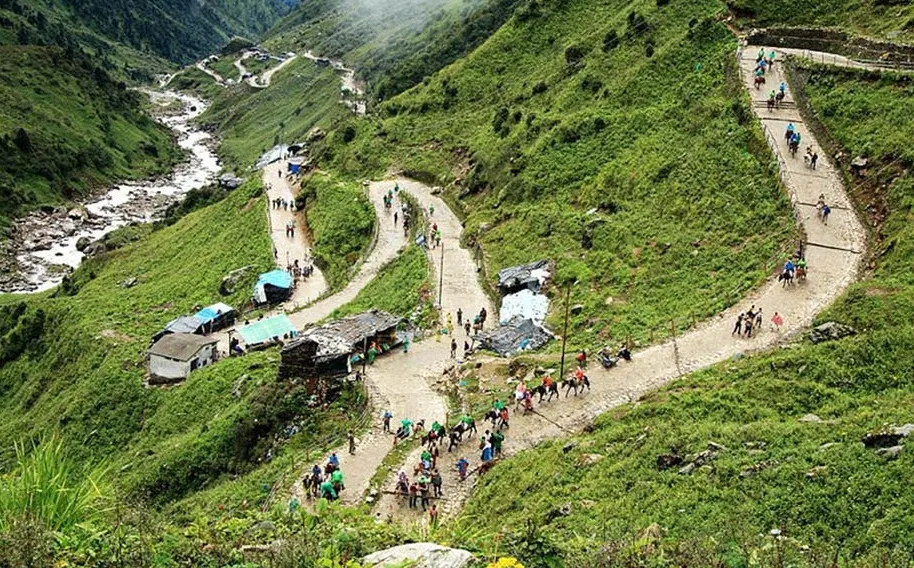
Trek Overview


Experience the Divine Kedarnath Temple Yatra 2026 with Trek Himalyan Soul
Are you ready to embark on a journey that transcends the physical realm?
At Trek Himalyan Soul, we specialize in organizing seamless and
spiritually enriching pilgrimages to the Kedarnath Temple. Nestled at an
altitude of 3,583 meters, this sacred abode of Lord Shiva demands
respect, preparation, and expert guidance. As your trusted tour
operator, we ensure that every step of your 16 km trek from Gaurikund is
safe, comfortable, and deeply meaningful.
"When the mountains call it is an invitation but when Kedarnath calls it is a blessing that changes your life forever."

Kedarnath Trek Complete Guide
Our mission has always been to ensure that no trekker steps into the Himalayas without the right perspective. A trek is not just a checklist of summits; it is a serious commitment to the outdoors. Having the right information is what separates a reckless climb from a soulful journey.
This section serves as your definitive manual for the Kedarnath Trek. We have distilled years of mountain experience and real-time feedback into this guide to give you a clear, honest picture of the trail.
We provide this depth of information because we want you to be more than just a visitor—we want you to be a prepared, responsible trekker who respects the mountains as much as we do
Trek Itinerary
1: Short Itinerary
Overview: Trek Summary at a Glance
Day 01: Pickup to you Morning 6:30 am Haridwar Drive to Guptkashi
Distance: 210 km (8–10 hours’ drive)
Altitude: 1,319 m
Highlights: Your journey begins early (6:30 AM) to beat the mountain traffic. You'll drive alongside the Ganga, Alaknanda, and Mandakini rivers.
- Stop at Devprayag to witness the holy confluence of Bhagirathi and Alaknanda.
Stay: Overnight in a hotel or homestay at Guptkashi or Sonprayag.
Day 02: Drive from Guptkashi via Sonprayag Gaurikund to Kedarnath Temple)
Trek Distance: 16 km (7–9 hours)
Altitude Gain: From 1,982 m (Gaurikund) to 3,583 m (Kedarnath)
The Route: Drive from Guptkashi to Sonprayag – Take local taxi Sonprayag to Gaurikund. Last Road head same day Start to Kedarnath Dham
Soul's Note: The trail via Bheembali and Linchauli is steep. Maintain a steady pace to reach the temple by late afternoon.
Stay: Overnight in a guest house or camping near the temple. Attend the evening Aarti for a surreal experience.
Day 03: After Arti Pooja Darshan (Kedarnath to Guptkashi)
Trek Distance: 16 km (7–8 hours descent)
Morning Ritual: Wake up at 3:00 AM for the Abhishek/Darshan. Visit the Bhairav Nath Temple (500m uphill) for a bird’s-eye view of the valley.
The Descent: Start your downward trek by 10:00 AM. Gravity helps, but watch your knees on the paved stones.
Stay: Reach Gaurikund, take a Taxi back to Sonprayag, and drive to your hotel in Guptkashi for a well-deserved hot meal and rest.
Day 04: The Departure Day (Guptkashi to Rishikesh /Haridwar)
Distance: 210 km (8–10 hours’ drive)
The Route: Head back through the same winding roads.
Trek Himalyan Soul Transport: drop to you Rishikesh / Haridwar 7 to 8 Pm railway station by evening.

2: Detailed Day-wise Itinerary
A Complete Route & Campsite Breakdown
Detailed Day- wise Itineary (Day-1)
Overview: A Complete Route & Composite Breakdown
Day 01: The Gateway to the Himalayas (Haridwar to Guptkashi)
Distance: 210 km | Time: 8–10 Hours
Altitude: 1,319 m (4,327 ft)
The Journey Begins: Your pilgrimage starts with an early morning pickup at 6:30 AM from Haridwar. Via Rishikesh Starting early is crucial to navigate the narrow mountain bends before the afternoon traffic builds up. As you leave the plains, the air turns crisp and the scenery transforms into lush green valleys.
Highlights & Pitstops:
- The Confluences: You will drive alongside the sacred Ganga, Alaknanda, and Mandakini rivers.
- Devprayag: A major stop where you will see the holy confluence of the Bhagirathi and Alaknanda rivers as they merge to form the Ganges.
- Rudraprayag: Another beautiful sight where the Alaknanda meets the Mandakini.
Stay: Overnight stay at a comfortable hotel/homestay in Guptkashi or Sonprayag. Get plenty of rest; tomorrow is the big climb.
Day -2
Day 02: The Ascent to the Abode of Shiva (Guptkashi to Kedarnath)
Trek Distance: 16 km | Time: 7–9 Hours
Altitude Gain: 1,982 m to 3,583 m (11,755 ft)
The Route:
- Drive: Guptkashi to Sonprayag.
- Shuttle: Take a local taxi (shared) from Sonprayag to Gaurikund (the last motorable point).
- Trek: Begin your 16 km foot journey from Gaurikund.
Soul's Strategy: The trail via Bheembali and Linchauli is well-paved but involves steep gradients. We recommend maintaining a slow, steady rhythm. Use trekking poles to save your energy.
Experience: Reach the Kedarnath plateau by late afternoon. The first sight of the temple against the backdrop of the Kedar Dome peaks is life-changing.
Evening: Attend the Sandhya Aarti. The chanting and the sound of bells in the freezing mountain air create a powerful spiritual atmosphere.
Stay: Overnight in a guest house or camps near the temple
Day - 3
Day 03: Divine Blessings & The Descent (Kedarnath to Guptkashi)
Trek Distance: 16 km (Descent) | Time: 7–8 Hours
Morning Rituals:
- Abhishek: Wake up early (around 3:00 AM) if you wish to participate in the morning rituals or avoid the massive midday queues.
- Bhairav Nath Temple: After your Darshan, take a short 500m uphill walk to the Bhairav Nath Temple. It is believed that Lord Bhairav protects the Kedarnath valley during the winter months. It also offers the best panoramic view of the entire temple complex.
The Return Journey:
Start your descent by 10:00 AM. While going downhill is faster, it puts pressure on the knees; take small steps and use the "zigzag" walking method on steep slopes.
Stay: Upon reaching Gaurikund, take the shuttle back to Sonprayag and drive to your hotel in Guptkashi. Relax with a hot meal and celebrate your successful pilgrimage.
Day - 4
Day 04: Return to the Plains (Guptkashi to Rishikesh/Haridwar)
Distance: 210 km | Time: 8–10 Hours
The Final Leg: After breakfast, begin your drive back down the mountains. This is a great time to reflect on your journey or stop at local markets for souvenirs like Rudraksha beads or Himalayan honey.
Route: You will retrace your path through the winding roads of the Garhwal region.
Drop-off: You will be dropped at the Rishikesh or Haridwar Railway Station/Bus Stand between 7:00 PM and 8:00 PM.
Essential Travel Tips for your Trip:
- Medical: Carry a basic medical kit and medicines for altitude sickness (Diamox) after consulting your doctor.
- Clothing: Even in summer, Kedarnath is freezing. Carry heavy woolens, a windcheater, and a raincoat (mountain weather is unpredictable).
- Documents: Ensure your Yatra Registration (Biometric) is completed and keep a physical copy with you.
3: Kedarnath trek Difficulty & Experience
Key Factors Determining the Difficulty
1. The Steep Incline and Distance: The trek from Gaurikund to Kedarnath is approximately 16 kilometers long. The trail starts at an altitude of about 1,980 meters and climbs up to 3,583 meters. This steep ascent can be very demanding on the knees and calves especially for those who are not used to long-distance walking.
2. High Altitude and Oxygen Levels: As you cross the 3,000-meter mark the air becomes thinner and oxygen levels drop. This increases the risk of Acute Mountain Sickness (AMS) which can cause headaches, dizziness, and nausea. It is essential to climb slowly and keep yourself hydrated to help your body adjust to the altitude.
3. Unpredictable Weather Conditions: The weather in the Uttarakhand Himalayas can change in minutes. Even during the peak summer months you may face sudden rain, hail, or sharp drops in temperature. Trekking while wearing heavy rain gear or walking on slippery paths adds another layer of challenge to the journey.
4. Tough Terrain: While the government has worked hard to make the path wide and paved it remains a rocky mountain trail. Some sections are very narrow and you have to share the path with ponies and palanquins which requires constant alertness.
Who can do this trek?
- Beginners: Can complete the trek if they have a basic level of fitness and start a walking routine at least a month in advance.
- Senior Citizens: Should consult a doctor first and may consider using a pony or helicopter service if they have breathing or joint issues.
Pro-Tip: Always take the trek at your own pace and do not try to compete with others. Taking small breaks every 30 minutes will help you reach the temple without excessive exhaustion.
4: The Best Time to Visit Kedarnath trek
The Best Time to Visit Kedarnath Temple A Complete Seasonal Guide
The Summer Window: May to June (Peak Season)
This is widely considered the best time to visit Kedarnath because the temple doors traditionally open in early May. During these months the weather is most favorable for the rigorous 16 km trek from Gaurikund.
- Weather: Pleasant days with temperatures ranging from 10°C to 20°C.
- Why go now: The trekking trails are clear of heavy snow and the helicopter services are most reliable due to stable wind conditions.
Pro-Tip: This is the busiest time of the year so expect long queues for Darshan and ensure you book your accommodation at least two months in advance.
The Autumn Window: September to October (Peaceful & Scenic)
If you prefer a quieter spiritual experience the months of September and October are the ultimate choice. The monsoon wash has ended leaving the mountains incredibly green and the air crystal clear.
Pro-Tip: The temperature at night can drop to sub-zero levels so carrying heavy woolens and a good quality jacket is mandatory during this period.
The Monsoon Season: July to August (Travel with Caution)
Trekking to Kedarnath during the monsoon is generally not recommended for families or first-timers. The region is prone to heavy rainfall and the trails can become slippery and challenging.
Alert: Always check the weather forecast for cloudburst or landslide warnings before starting your trek from Sonprayag.
The Winter Closure: November to April (Inaccessible)
The temple officially closes on the day of Bhai Dooj (shortly after Diwali) and remains closed for six months due to heavy snowfall. The deity is moved to Ukhimath for winter worship and the entire Kedarnath valley becomes a silent white paradise.
5: How to reach the base camp
Overview: Your Detailed Travel & Connectivity Guide
If you are travelling from any metropolitan city in India or from outside India, getting to the capital city of Delhi may be the first and most important step. All major modes of transportation, such as air, road, and rail, can take you to Delhi.
Rishikesh is connected to most major cities in India via all chief modes of transportation. Trekkers could perhaps conduct extensive research for their direct mode of transportation to ensure a much smoother arrival.
By Air: Jolly Grant Airport is the nearest airport to Rishikesh. It is well connected to Delhi and many chief cities with daily flights. How to reach Rishikesh from Delhi.
By Road: Delhi has direct road routes to Rishikesh. Trekkers will have to book either a bus or private cabs. Prior booking for cabs and buses are easily available at various sites.
Delhi > Rishikesh > Sonprayag > Gaurikund
By Railway: Nearest railway station to Rishikesh will be Rishikesh Railway station. Since Rishikesh is connected to all major railway routes, trekkers can opt for a direct route or via Delhi. They can also opt for direct trains to Dehradun or Haridwar and then take cab or bus to Rishikesh.
Some important points to note
- Please note that we don’t provide timing schedules for transportation before Rishikesh. Subject to various conditions, the scheduled timings and availability of particular rides may differ. We recommend trekkers to reach out to our teams for any queries. You can drop an email or call us for an initial guided session.
- Our teams will be collecting trekkers at fixed points of airports, railway stations, and bus stands.
- It is recommended that unless any delay arises, trekkers are advised to reach the destinations at least 2 hours prior.
6: Packing and Gear List
Overview: Your Complete Trekking Checklist
Essential Gear for the Kedarnath Trek Packing List
1. Trekking Gear & Bags
- Main Backpack (50–60 Liters): Must have good hip support and a rain cover.
- Daypack (20 Liters): Essential if you plan to offload your main bag; carries water, snacks, and a jacket.
- Trekking Poles: Highly recommended for stability on snowy slopes.
2. Clothing (The Layering System)
- Base Layer (2-3 Pairs): Quick-dry, moisture-wicking thermals (top and bottom).
- Mid Layer (2): Fleece jackets or sweaters for insulation.
- Outer Layer (2): A high-quality padded down jacket (rated for -10°C).
- Trekking Pants (2): Water-resistant and windproof pants. Avoid jeans at all costs.
- T-shirts (3): Collared, full-sleeve dry-fit tees to prevent sunburst on the neck.
3. Footwear & Socks
- Trekking Boots: High-anchor, waterproof boots with good grip Decathlon Forclaz or similar MH 100) Asain, Jonmart hiking Shoes.
- Woolen Socks (4 Pairs): For sleeping and extra warmth at night.
- Cotton Socks (4 Pairs): For trekking during the day.
4. Headwear & Accessories
- Sun Cap: To protect against UV rays during the day.
- Woolen Cap/Balaclava: Must cover your ears to prevent heat loss.
- Neck Warmer/Buff: Protects your face from cold winds.
- Gloves: One pair of fleece liners and one pair of waterproof outer gloves.
- Sunglasses: Polarized/UV protected to prevent snow blindness.
5. Personal Hygiene & Toiletries
- Sunscreen (SPF 50+) and Lip Balm.
- Moisturizer and Sanitizer.
- Toilet paper and Biodegradable wet wipes.
- Toothbrush, Toothpaste, and a small quick-dry towel.
6. Health & First Aid
- Personal Medikit: Band-aids, crepe bandage, and antiseptic.
- Anti-Altitude Sickness: Diamox (consult your doctor first).
- Pain Relief: Volini spray or Moov.
- Water Purification: Tablets or a LifeStraw.
Quick Tips for a Successful Trek with Trek Himalyan Soul
- Hydration: Drink at least 3/4 liters of water daily to help with acclimatization.
- Batteries: Cold drains phone and camera batteries fast. Keep them inside your sleeping bag at night to keep them warm.
- Eco-Friendly: "Pack it in, pack it out." Don't leave any plastic on the trail.
Must-Have Medicines for Kedarnath Trek
1. Altitude & Breathing
- Diamox (Acetazolamide): The most common medicine for AMS (Acute Mountain Sickness). It helps your body acclimatize faster.
Note: Start a preventive dose only after consulting your doctor, as it is a diuretic.
- Camphor (Kapur): Carrying a small pouch of camphor to smell can help some people feel more comfortable while breathing in thin air.
2. Pain & Inflammation
- Combiflam / Ibuprofen: For muscle aches, joint pain, or body fever after a long day of climbing.
- Dolo 650 (Paracetamol): For mild fever or headaches (often a first sign of dehydration or AMS).
- Diclofenac Gel/Spray (Volini/Moov): Essential for calf muscle cramps or knee pain during the descent.
3. Digestive Health (Very Important)
- Digene / Pudin Hara: For acidity or bloating caused by heavy meals at high altitudes.
- Ondem (Ondansetron): For nausea or vomiting (common symptoms of altitude sickness).
- Eldoper / Nor-Metrogyl: For loose motions or stomach infections.
- ORS / Electral: To prevent dehydration. Mix one sachet in your water bottle every day.
4. Respiratory & Cold
- Ascoril/Alex Syrup (or Lozenges): For "Khonchi" (dry mountain cough) caused by cold, dry air.
- Cetirizine / Okacet: For allergic reactions or a runny nose.
- Avomine: If you get motion sickness during the bumpy 10-hour drive from Dehradun to Sankri.
5. First Aid Basics
- Band-aids & Cotton: For small nicks.
- Crepe Bandage: In case of a minor ankle sprain on the snowy trail.
- Betadine/Dettol: Antiseptic for any cuts.
- Anti-fungal Powder: To keep your feet dry and prevent fungal infections from wet socks.
It looks like you're getting your paperwork in order for a trek, but I noticed a small mix-up in the details you've listed. While the documents you mentioned (ID, Medical Certificate, and Disclaimer) are absolutely essential for any high-altitude trek in Uttarakhand, the specific mention of Raithal Village and Trek Himalyan Soul suggests these instructions are actually for the Dayara Bugyal or Gangotri region treks, rather than the Kedarnath Temple trek.
To reach Kedarnath safely and legally in 2026, here is the corrected checklist tailored for that specific pilgrimage:
Kedarnath Yatra Mandatory Checklist
1. Mandatory Yatra Registration
Unlike general treks, Kedarnath requires a specific Char Dham Registration Card (also known as a Biometric Card).
Where to get it: Register online via the official Uttarakhand Tourism portal or at physical kiosks in Rishikesh or Guptkashi.
Why: You will not be allowed past the Sonprayag/Gaurikund check-post without this.
2. Government Identity Proof
Requirement: Original + 2 Photocopies.
Accepted: Aadhar Card (most preferred), Voter ID, or Passport.
Purpose: To verify your Yatra registration at various security points.
3. Medical Fitness Certificate
Since the trek involves ascending to 3,583 meters - 11,755 feet), the administration is very strict about health.
The Checkup: Ensure it covers your Blood Pressure, Respiratory Rate, and Heart Health.
On-site Screening: Be aware that medical officers at Sonprayag may conduct a spot check. If your BP is too high, they may advise you to rest or deny trekking permission for your safety.
4. Trek Insurance (Highly Recommended)
While not always "checked" at the gate like a permit, having insurance that covers emergency heli-evacuation and High-Altitude Sickness (HAS) is a non-negotiable for a smart trekker
7: Preparation and fitness tips
Overview: Train trek your complete fitness Plan
Kedarnath Temple Trek Fitness Criteria: Team Trek Himalyan Soul
The 6-Week Kedarnath Trek Training Schedule
Weeks 1-2: Foundation & Lung Capacity
- Running: 3 days/week. Target: 3 km (Steady pace).
Strength:
- Bodyweight Squats: 3 sets of 20 (Builds quad strength for the climb).
- Calf Raises: 3 sets of 20 (Crucial for the steep stone inclines).
- Plank: 2 sets of 45 seconds.
Focus: Consistent breathing. Inhale through the nose, exhale through the mouth.
Weeks 3-4: The "Rambara" Endurance Phase
- Running: 4 days/week. Increase distance to 5 km.
Strength:
- Step-ups: Find a bench or high step. 3 sets of 20 reps per leg. (Mimics the stone steps of Kedarnath).
- Walking Lunges: 3 sets of 15 reps.
- Wall Sit: Hold for 45 seconds (2 sets).
The "Yatra" Tip: Start walking 2 km in the shoes you intend to wear. If you are using new trekking boots, they must be broken now.
Weeks 5-6: Peak Climb & Loading
- Running/Incline: 4 days/week. Target 5 km. One day should be a "Hill Day" (finding a slope or using a treadmill on incline).
Strength:
- Stair Climbing: This is the most important for Kedarnath. Climb 5 floors, 6–8 times.
- Backpack Training: Put 3–5 kg in your bag and go for a 40-minute walk.
- Plank: 1 set of 90 seconds.
Recovery: Stop heavy training 3 days before you reach Gaurikund to let your muscles repair.
Exercise Breakdown for Kedarnath
| Exercise | Target for Kedarnath | Why it Matters for this Trail |
|---|---|---|
| Stair Climbing | 40-50 Floors total | The trek from Gaurikund to the Temple is essentially a never-ending staircase. |
| Calf Raises | 60 Reps daily | Prevents "calf burnout" on the steep 18-degree slopes. |
| Step-ups | 40 Reps (20 per leg) | Helps you lift your body weight over uneven stone steps. |
| Squats | 80 Reps (4 sets of 20) | Vital for the descent. Most injuries happen coming down from Kedarnath. |
| Deep Breathing | 10 Mins daily | Prepares your lungs for the thin air at 3,500+ meters. |
Key Points for a Successful Yatra
- The Gaurikund Start: You will likely start your trek at 3:00 AM or 4:00 AM. Training in the early morning helps your body adjust to physical exertion in cold temperatures.
- Hydration (Electrolytes): Unlike a normal trek, the Kedarnath path is crowded and humid. You lose salts quickly. Carry ORS or Glucose.
- Oxygen Management: Between Rambara and Lincholi, the incline is the steepest. If you feel dizzy, stop. Your training (5 km runs) ensures your heart handles this "Red Zone" efficiently.
- The Poncho Rule: It rains frequently on the way to Kedarnath. Practice walking with a raincoat/poncho to get used to the restricted movement and trapped heat.
What to Carry/Check
- Registration/Pass: Ensure your Yatra e-registration is done and downloaded.
- Medical Fitness: Carry a certificate if you have pre-existing heart or respiratory issues.
- The Proof: Keep a record of your Stair Climbing sessions. If you can climb 50 floors in one session, you are ready for the temple!
8: Trek Himalyan Soul Safety standards & expertise
Why Trek Himalyan Soul is the Safest Choice for Kedarnath Trek
Trek Himalyan Soul, your safety is not just a protocol; it is our heritage. With over 35 years of experience and our roots in Uttarakhand Himalayas we provide a level of security that only locals can offer.
1. Elite Safety Standards
NIM Certified Leaders: Our trek leaders are certified from the Nehru Institute of Mountaineering (NIM). They are experts in high-altitude rescue and wilderness first aid.
Daily Health Checks: We conduct twice-daily health screenings using Oximeters and BP Monitors to track your oxygen saturation and pulse.
Emergency Oxygen & Kits: Every batch carries portable Oxygen Cylinders and a comprehensive medical kit stocked with essential high-altitude medicines.
Technical Gear: We provide high-quality Micro-spikes (Crampons) for grip on slippery snow and Gaiters to keep snow out of your boots.
2. Premium Accommodation Tents)
High-Altitude Camping: We use Premium 4-Season Dome Tents designed to withstand heavy snowfall and bone-chilling winds.
Insulated Bedding: To ensure a warm sleep in -10°C, we provide high-quality sleeping bags, liner, rated for extreme temperatures, along with thick foam mats for extra insulation.
3. Reliable Transport Services
Best Home Stay Accommodation at Kedarnath temple Trek Haridwar, We provide pickup and drop services from Haridwar to Haridwar via Rishikesh.
Safe Mountain Driving: Our drivers are locals who are experts at navigating the winding, snow-covered roads of the Himalayas.
Vehicle Fleet: We use comfortable and well-maintained vehicles like Tempo Travelers, Ertiga Taxi, ensuring a smooth Guptkashi Base.
4. Nutritious & Fresh Meals
Note: We two meals a day including snacks Tea A variety of delectable and healthy food is provided. They are nutritious and keep you fit and healthy on the trek (veg food or Jain food keep your energy levels high.
Hygiene First: Our kitchen staff follows strict hygiene standards, ensuring clean drinking water (boiled/filtered) at all campsites
Frequently Asked Questions
When does the kedarnath trek open and close in 2026 ?
what are the darshan timings?
Trek Fee
Complete Package from Haridwar/Rishikesh to Haridwar/Rishikesh
Extra Notes
Ethics, Health & Safety
Safety Over Summit: The mountain will always be there, but your safety is irreplaceable. Knowing when to turn back due to weather or health is the mark of a true trekker.
Respect the Altitude: Above 10,000 ft, your body follows its own rules. Prioritize acclimatization and consistent hydration; never ignore the early signs of altitude sickness.
Mountain Ethics (Leave No Trace): Carry your trash back. We are guests in the wilderness ensure the trails remain as pristine as you found them.
Trust the Experts: Local guides understand the mountain’s temperament better than any map. Follow their advice—it is based on years of survival and experience.
Physical Readiness: A trek is a physical commitment. Arriving fit ensures that you don't just endure the trail, but actually enjoy the journey
Trek Information
- Difficulty: Moderate
- Duration: 5 night / 6 days
- Altitude: 11,755 ft
- Distance: 30 Kms
- Region: Uttarakhand
- Basecamp: Gaurikund
- Accommodation: Homestay/Tents
- Suitable For: 10 to 60 years
- Cloakroom: Available
- Offloading: Available